



Introduction
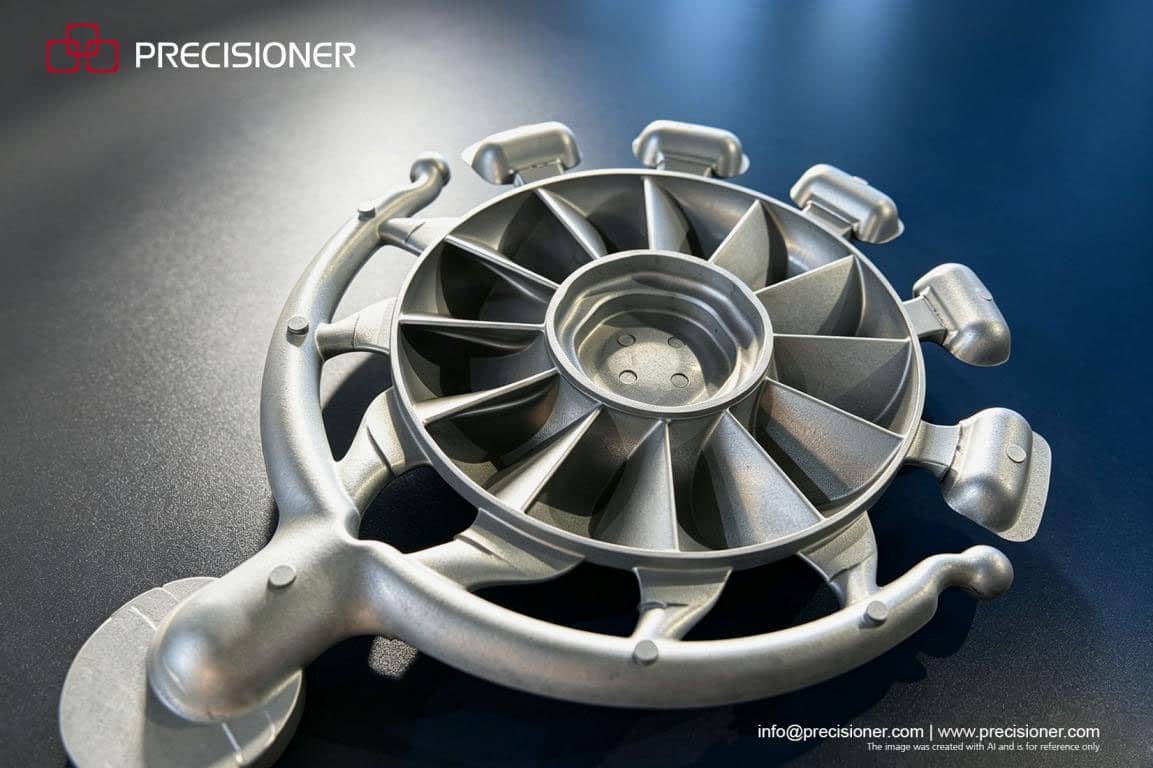
Molten metal enters the die cavity through the gating system. Yet many die designers leave its design to the very end of the engineering process. A die that excels in every other dimension can fail completely due to a poorly designed gating system.
An improperly designed gate induces turbulent flow and air entrapment, leading to porosity and compromised mechanical strength. Uneven filling creates cold shuts and weld lines that undermine structural integrity. Excessively high gate velocity erodes the die surface, drastically shortening tool life.
Core Principles
Several core principles distinguish a "workable" gating system from an "exceptional" one:
Excessively high velocity intensifies turbulence and air entrapment; insufficient velocity causes premature solidification and cold shuts. The optimal velocity is determined by wall thickness, alloy type, and component geometry, and the acceptable process window is far narrower than most designers assume.
Placing the gate at thick sections promotes directional solidification and directional feeding. An improperly located gate causes melt streams to converge at multiple points, trapping gas and creating weld lines.
Overflows serve two critical functions: they capture the initial, cooler melt front to prevent cold shuts, and they act as localized heat reservoirs to balance the thermal profile in critical die zones.
Inadequate venting creates back pressure in the die cavity, trapping air and resulting in incomplete filling. Vent design is often rushed at the final stage of die design, creating hidden quality risks.
Industry Trend
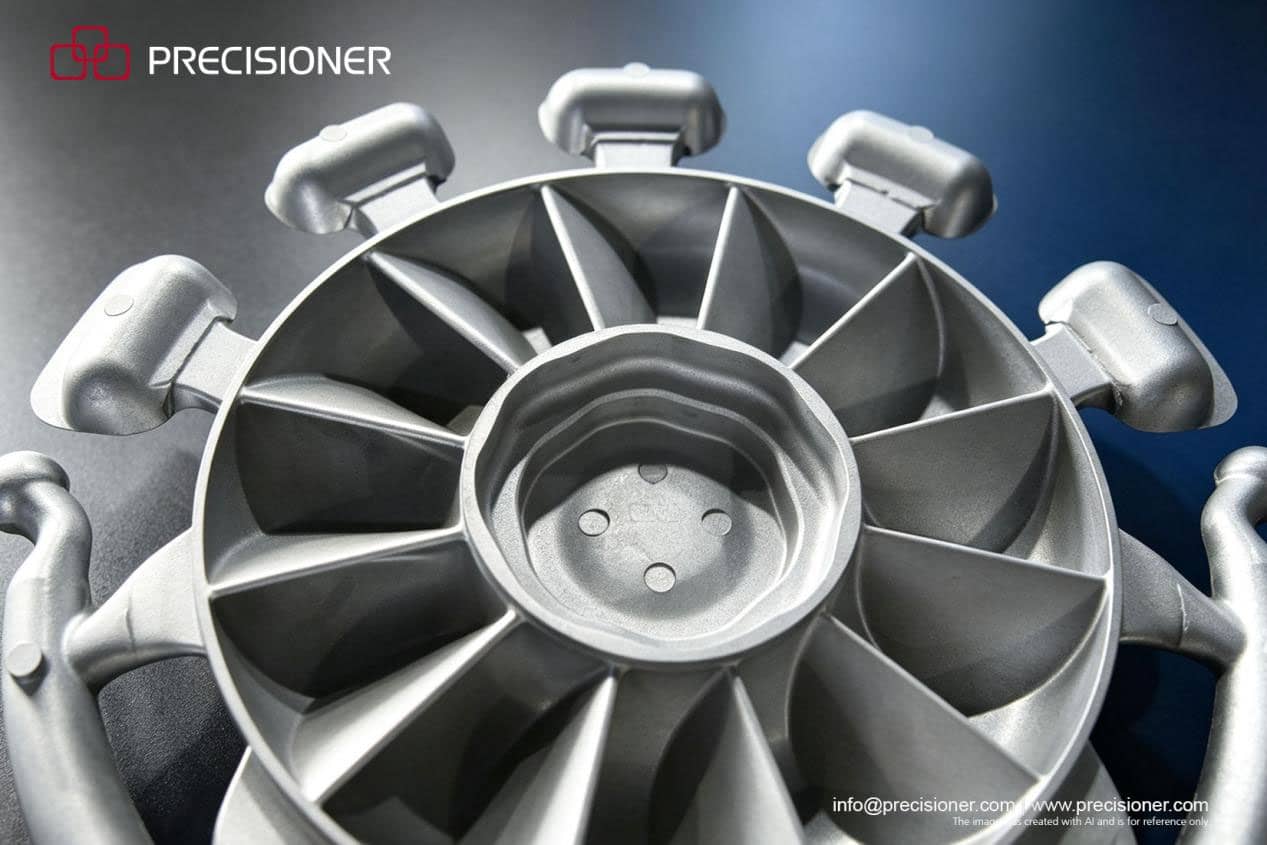
As large-scale, complex structural die castings gradually move into mass production, the importance of gating design becomes even more critical. A gating scheme validated on a 2 kg bracket cannot simply be scaled up to a 20 kg large structural casting.
Conclusion
A Perspective from the Precisioner Engineering Team
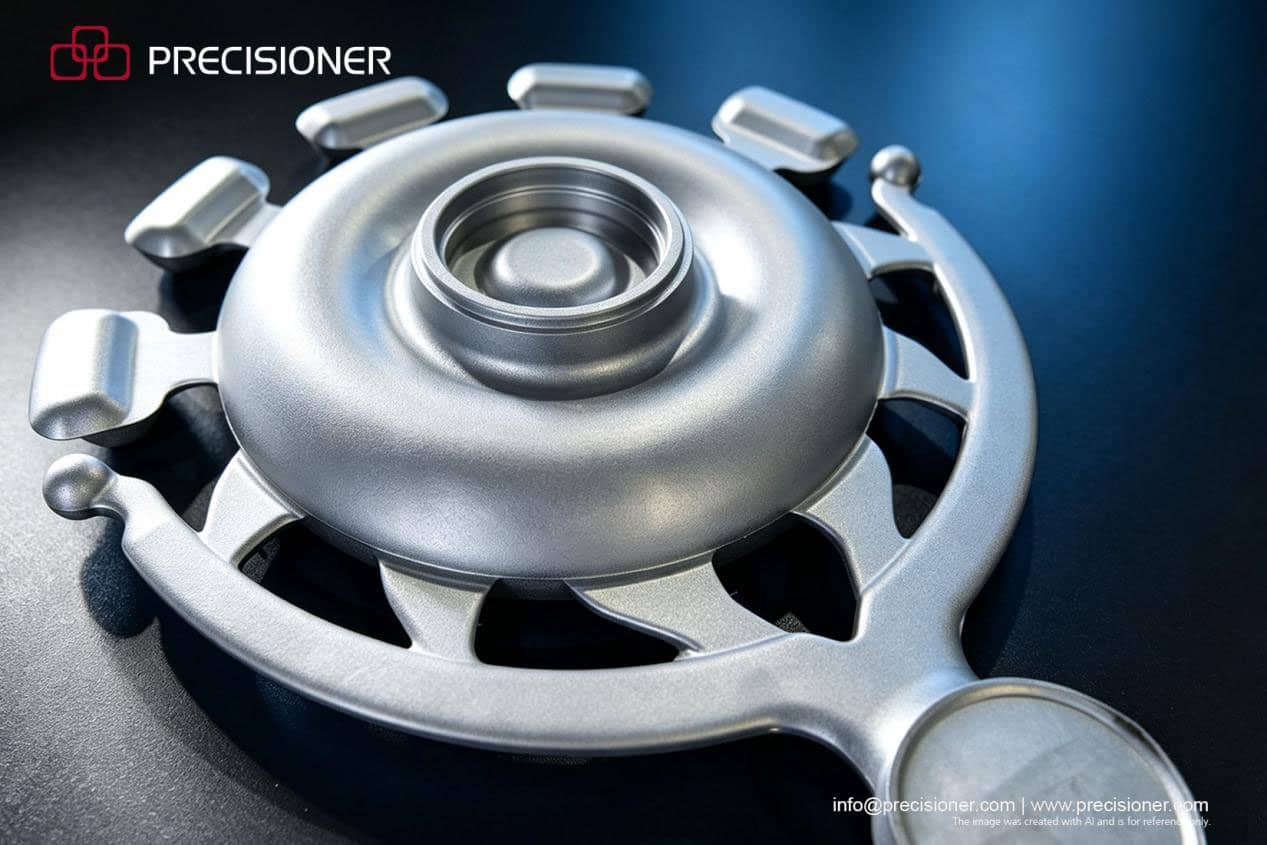
The gating system is more than just a delivery channel; it is the die's central nervous system. A sound gating design significantly accelerates production and process tuning; an inherently flawed design cannot be corrected by downstream process adjustments, no matter how extensive. Good design directly reduces cycle time and minimizes die trials, on average, saving customers 2 to 3 weeks of development time.
When dealing with complex die cast components, how does your team approach gating system design?
Send your part drawings to info@precisioner.com today to receive a preliminary gating system assessment report.
— Precisioner Engineering Team