



Automotive Structural Component | A380 Aluminum Alloy | 2,500-Ton HPDC Machine
Introduction
A Tier-1 automotive supplier came to us with a persistent problem: a structural die-cast component was failing X-ray inspection at an unacceptable reject rate. Internal porosity averaged approximately 2% of the cross-sectional area—well above the customer’s specification of under 1%—and after T6 heat treatment, blistering appeared on critical surfaces.A vacuum system was already installed on the die. Yet the expected improvement was not showing up in production.
The part in question is a medium-sized automotive structural component weighing roughly 2.8 kg, cast in A380 aluminum alloy on a 2,500-ton high-pressure die casting machine. The customer had already spent three months adjusting process parameters without achieving stable results.
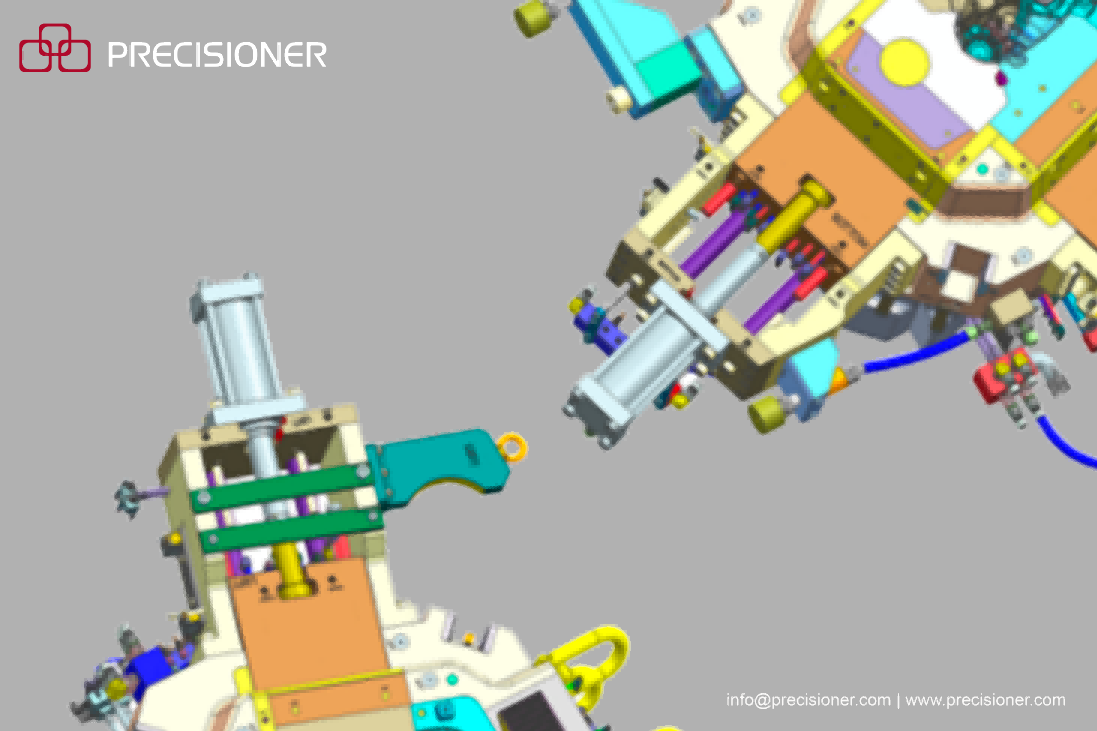
Our Diagnosis
After reviewing the die design and process data, our engineering team identified four root causes:· Vacuum vent positioned too close to the gate — the melt front sealed it off before air was fully evacuated from the far end of the cavity.
· Insufficient sealing on the parting line and around ejector pins — ambient air leaked back into the cavity during injection, negating the vacuum effect.
· A mechanical vacuum valve with a closing response time of roughly 80 ms — too slow for the high-speed injection profile required by this part.
· Vacuum valve actuation, ladle pour timing, and the injection profile were not synchronized — evacuation was not always complete before the plunger reached the fast-shot position.
In short: the vacuum system was there, but it was not being used correctly. This is the most common mistake we see—vacuum is treated as a box-ticking exercise rather than an engineered process parameter.
We re-engineered the vacuum system from the ground up, making four targeted modifications:
1. Relocated the Vacuum Vent
We moved the vacuum vent to the last-fill position—the farthest point from the gate where the melt front arrives last. This ensures air is extracted in the direction of fill, rather than being trapped behind the metal stream. CFD simulation predicted that the new position would reduce residual air pockets by approximately 70%.
2. Upgraded to a Hydraulic Vacuum Valve
We replaced the mechanical valve with a hydraulic vacuum valve with a closing response time of under 30 ms—more than 2.5 times faster. This matters because at injection velocities of 4 to 6 m/s, every millisecond counts. The faster valve closes precisely at the moment the melt front reaches it, before any metal can pass through into the vacuum line.
3. Improved Sealing on Critical Surfaces
We added precision seal grooves along the entire parting line and around ejector pins. The die support and clamping conditions were checked and corrected to ensure more uniform clamping force distribution. After these changes, vacuum evacuation time per shot dropped from 8 seconds to under 3 seconds—a clear indicator that leakage was no longer a factor.
4. Optimized Injection Profile Timing
Vacuum performance is not just about the vent—it is about timing. We worked with the customer’s process team to align vacuum valve actuation, ladle pour timing, and the injection profile so that evacuation was complete before the plunger reached the fast-shot position. This synchronization is often overlooked, but it determines how effective the vacuum system actually is.
The Results
· Internal porosity area ratio: reduced from ~2% to below 0.5%
· X-ray rejection rate: reduced by more than 75% relative to baseline
· T6 heat treatment: no more surface blistering on critical surfaces
· Cycle time: maintained within the original target of 78 seconds per shot
· Customer ramp-up: full production achieved within 3 weeks of the first trial of the revised die
The most satisfying result? The customer had been struggling with this part for nearly six months before they came to us. We delivered the solution in two design iterations and one production trial—about five weeks from kickoff to stable production.
This case is a good example of our core engineering philosophy: vacuum is a tool, not a guarantee. Installing a vacuum system does not automatically give you porosity-free parts. What matters is how the system is designed, timed, sealed, and integrated with the overall gating system and process parameters.
Since 2009, we have produced more than 6,000 dies—including over 1,000 with vacuum systems. We have built a database of real-world vacuum performance across aluminum, magnesium, and zinc alloys, from small precision parts to large structural components.
That database is what allows us to diagnose issues quickly and deliver solutions that work on the first try—not after ten rounds of trial and error.
Precisioner is a high-pressure die casting die manufacturer with 17 years of experience. We design and produce HPDC dies and trim dies, and provide full engineering and try-out support for automotive, electronics, and industrial customers worldwide. Our 4,500-ton trial capability covers parts ranging from small precision components to large integrated structural components.
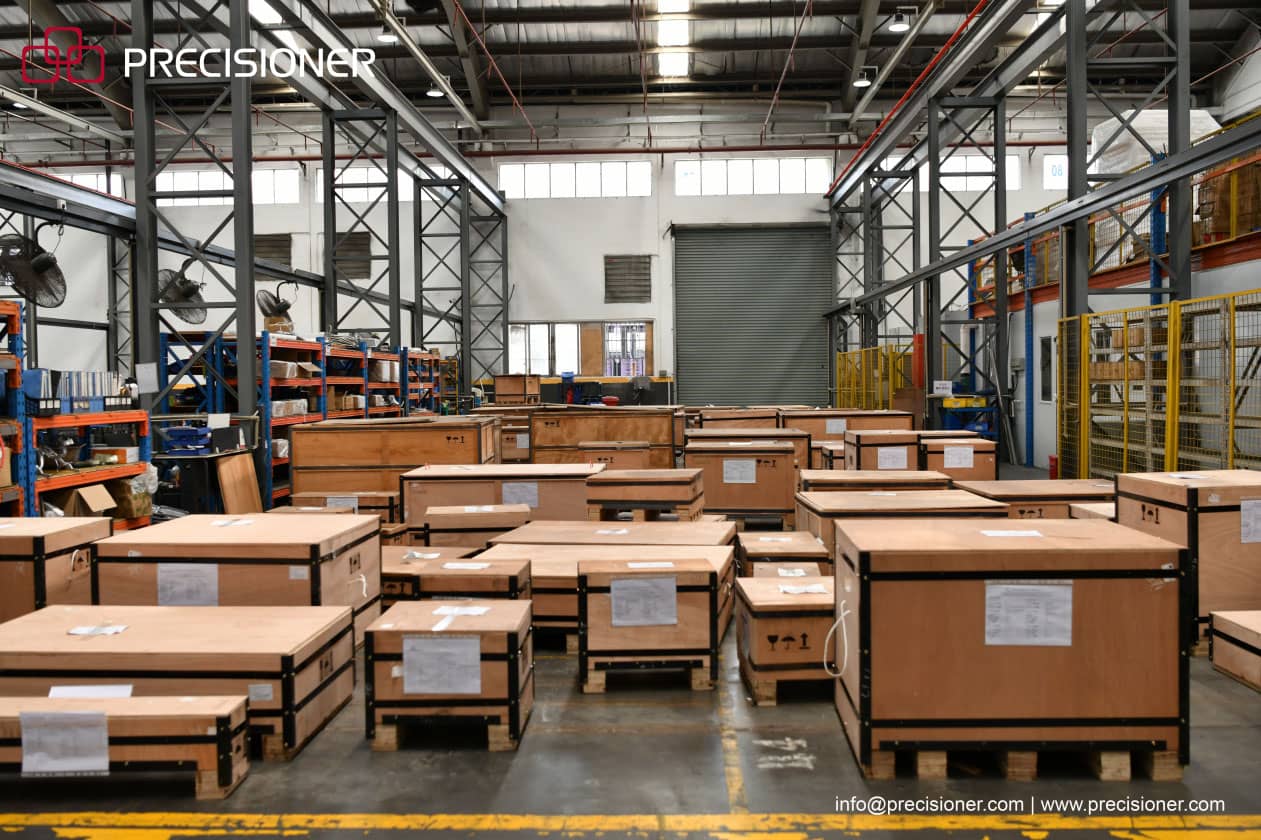
Figure 2. A portion of Precisioner's HPDC molds prepared for delivery
Working on a vacuum die casting project that is not performing as expected? Email us at info@precisioner.com with your part drawing and current data—our engineering team will get back to you within 24 hours.